
Sunnyside is one of the most active and family-oriented neighborhoods in South Surrey. Between nearby schools, shopping areas like Morgan Crossing, community sports programs, and growing residential developments, many local families eventually begin thinking about orthodontic care as part of their long-term dental health planning.
Some parents start researching treatment when their child’s permanent teeth begin coming in. Others explore orthodontic options later in life after noticing shifting teeth, crowding, or bite concerns that have gradually developed over time.
Whether you are considering braces for your child or clear aligners for yourself, understanding how orthodontic treatment works can help you feel more prepared before scheduling a consultation.
If you live in Sunnyside or nearby South Surrey communities, here are five important things to know about orthodontic treatment and what to expect during the process.
1. Orthodontic Treatment Helps With More Than Appearance
Many people think orthodontics is mainly about creating straighter teeth or improving the appearance of a smile. While aesthetics are certainly one part of treatment, orthodontic care also focuses on bite alignment, oral function, and long-term dental health.
Teeth that are crowded, rotated, or unevenly spaced can sometimes make brushing and flossing more difficult. Bite misalignment may also place uneven pressure on certain teeth over time.
Orthodontic treatment may help:
- Improve how upper and lower teeth fit together
- Support easier brushing and flossing
- Reduce excessive wear on certain teeth
- Improve chewing function
- Support long-term gum health
Orthodontists commonly treat concerns such as:
- Crowded or overlapping teeth
- Gaps between teeth
- Overbite
- Underbite
- Crossbite
- Teeth shifting over time
Because every patient’s teeth and jaw structure are different, treatment plans are personalized based on the individual case.
2. Both Braces and Clear Aligners Are Common Treatment Options
Orthodontic care has evolved significantly over the years. Today, patients in Sunnyside and South Surrey often choose between traditional braces and clear aligner systems depending on their needs and preferences.
Traditional Metal Braces
Metal braces remain one of the most widely used orthodontic treatments. They use brackets attached to the teeth along with wires that gradually guide teeth into improved positions.
Modern braces are generally smaller and more comfortable than older versions many adults remember from years ago.
Braces are often recommended for:
- Moderate to severe crowding
- Bite correction
- Rotated teeth
- Complex tooth movement
- Cases requiring detailed control
Because braces are fixed to the teeth, they work continuously throughout treatment.
Clear Aligners
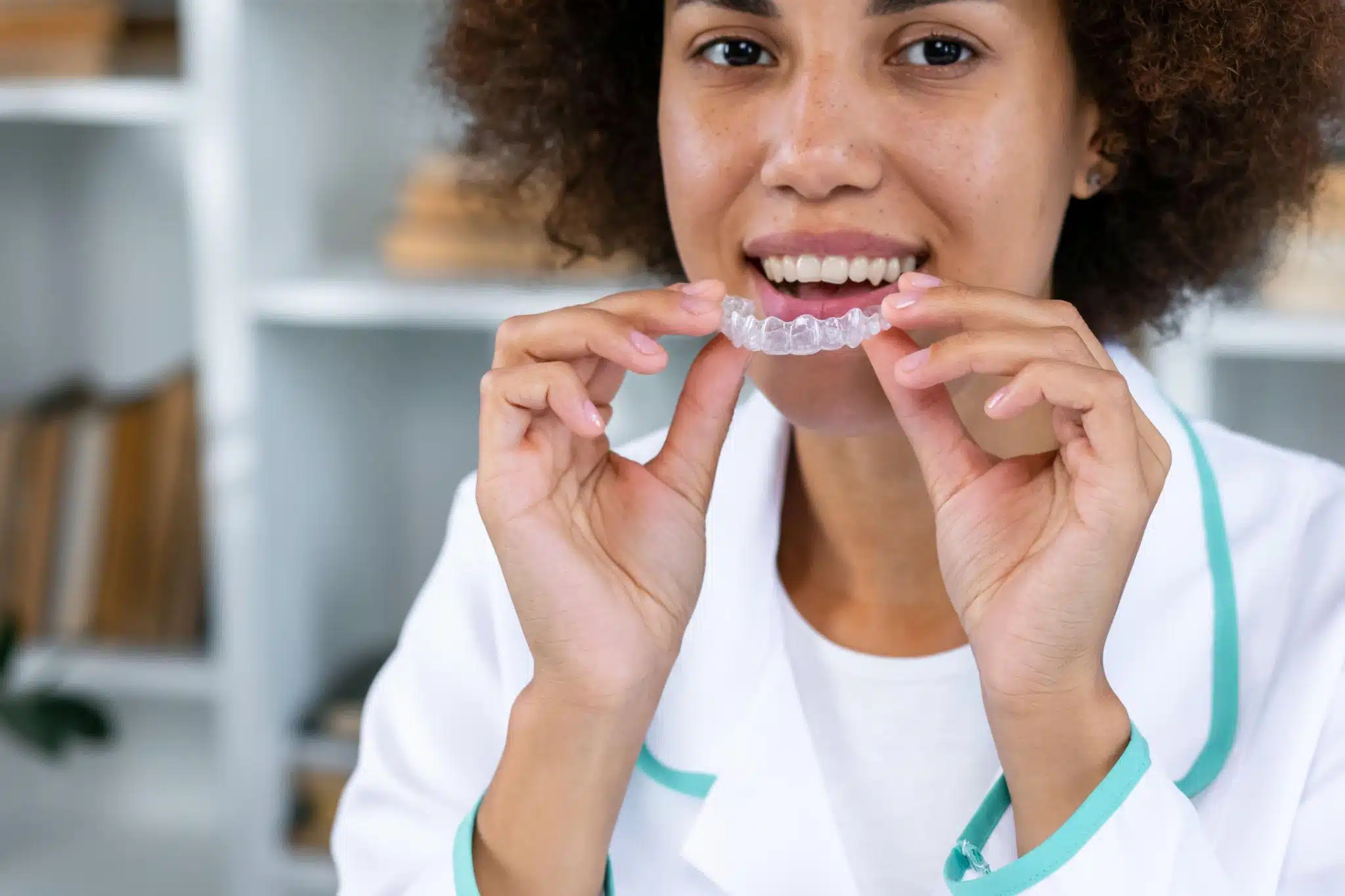
Clear aligners such as Invisalign are another common option, especially among teens and adults looking for a less noticeable treatment approach.
These removable trays are custom-designed to fit closely over the teeth and gradually shift them using controlled force.
Patients often prefer clear aligners because they:
- Are removable during meals
- Allow normal brushing and flossing
- Have a more discreet appearance
- Fit more comfortably into professional or social settings
Aligners are commonly used for:
- Mild to moderate crowding
- Spacing concerns
- Minor bite issues
- Teeth that have shifted after previous orthodontic treatment
Both braces and aligners rely on the same biological process of gradual tooth movement.
3. Orthodontic Consultations Often Use Digital Technology
Many orthodontic clinics serving Sunnyside now use digital imaging and scanning technology during consultations and treatment planning.
Instead of traditional impressions, digital scanners can create highly detailed 3D images of the teeth and bite. These scans help orthodontists evaluate alignment concerns and map out treatment more accurately.
During a consultation, the orthodontist may assess:
- Tooth position
- Bite alignment
- Jaw relationship
- Crowding or spacing
- Overall oral health
- Growth and development in younger patients
After reviewing these records, the orthodontist can explain:
- Which treatment options may work best
- Estimated treatment timelines
- Whether additional appliances are needed
- What future appointments may involve
Digital treatment planning has also improved communication between orthodontists and patients because many systems can visually demonstrate expected tooth movement over time.
4. Orthodontic Treatment Is Increasingly Common for Adults
Orthodontic care is no longer associated only with teenagers. Many adults throughout South Surrey and Sunnyside begin treatment later in life for both functional and cosmetic reasons.
Some adults explore orthodontic treatment because:
- Teeth have shifted over time
- Crowding makes cleaning difficult
- Bite issues cause uneven wear
- They never had orthodontic treatment earlier in life
- Previous orthodontic results relapsed
Clear aligners are often especially popular among adults because they are removable and less noticeable during meetings, social events, or daily routines.
However, traditional braces may still be the most effective option for certain complex orthodontic concerns.
Adult orthodontic treatment can improve:
- Tooth alignment
- Bite balance
- Access for brushing and flossing
- Long-term oral function
Orthodontic treatment plans for adults are customized based on oral health, bone support, and treatment goals.
5. Consistency Plays a Major Role in Treatment Success
Orthodontic treatment works gradually over time, which means consistency is very important throughout the process.
For patients with braces, this may include:
- Attending regular adjustment visits
- Avoiding foods that may damage brackets
- Keeping teeth and gums clean
- Following orthodontic instructions carefully
For clear aligner patients, consistency often involves:
- Wearing aligners 20 to 22 hours daily
- Changing trays according to schedule
- Cleaning aligners regularly
- Attending periodic progress appointments
Because orthodontic movement happens slowly and carefully, missing appointments or not following treatment instructions can sometimes affect timelines and results.
Most orthodontic visits occur every six to eight weeks, depending on the treatment plan.
Why Convenience Matters for Families in Sunnyside
Orthodontic treatment often lasts many months or even a few years, which means patients typically visit the clinic regularly throughout treatment.
For families balancing:
- School schedules
- Work responsibilities
- Sports practices
- Extracurricular activities
- Daily commuting
Choosing an orthodontic clinic close to home or school can make appointments easier to manage consistently.
Patients in Sunnyside often seek orthodontic care near:
- Morgan Crossing
- Grandview Corners
- White Rock
- Crescent Beach
- South Surrey residential neighborhoods
Convenient access can help reduce scheduling stress and make it easier to maintain regular follow-up visits.
When Should Children Visit an Orthodontist?
Parents often wonder when their child should first see an orthodontist.
Many orthodontists recommend an initial orthodontic evaluation around age seven. At this age, enough permanent teeth are usually present to identify early alignment or jaw development concerns.
During an early evaluation, orthodontists may monitor:
- Jaw growth patterns
- Tooth eruption
- Spacing concerns
- Bite development
- Potential crowding
Not every child needs immediate treatment. In many cases, orthodontists simply monitor growth and recommend treatment later if necessary.
Early evaluations can help identify concerns before they become more complicated.
How Orthodontic Treatment Moves Teeth
Both braces and clear aligners move teeth using gentle, controlled pressure.
This pressure activates a natural process called bone remodeling:
- Bone on one side of the tooth gradually breaks down
- New bone forms on the opposite side
- The tooth slowly shifts into a new position
Because this process happens gradually, orthodontic treatment usually takes time.
Many treatment plans range between:
- 12 to 24 months for moderate cases
- Longer for more complex alignment concerns
Treatment length varies depending on:
- Bite complexity
- Amount of crowding
- Patient age
- Oral health
- Consistency with treatment instructions
Life After Orthodontic Treatment
Once braces or aligners are finished, retainers are usually recommended to help maintain the new alignment.
Teeth naturally tend to shift over time, especially during the first phase after orthodontic treatment.
Retainers help stabilize the results and reduce future movement.
Orthodontists may recommend:
- Full-time retainer wear initially
- Nighttime wear later on
- Long-term maintenance schedules depending on the case
Consistent retainer use is an important part of preserving orthodontic results.
Frequently Asked Questions
How long does orthodontic treatment usually take?
Many orthodontic treatments last between 12 and 24 months, although more complex cases may take longer.
Are clear aligners better than braces?
Both can be effective. The right treatment depends on alignment concerns, bite issues, and patient preferences.
Can adults still get braces?
Yes. Many adults choose orthodontic treatment to improve alignment, bite function, and oral hygiene access.
How often are orthodontic appointments needed?
Most patients visit the orthodontist every six to eight weeks for adjustments or progress evaluations.
Do retainers matter after braces?
Yes. Retainers help maintain the new tooth positions and reduce the chance of teeth shifting over time.
Is orthodontic treatment only cosmetic?
No. Orthodontic care may also improve bite function, cleaning access, and long-term oral health.
Exploring Orthodontic Care in Sunnyside, Surrey
For many families in Sunnyside and surrounding South Surrey neighborhoods, orthodontic care becomes part of maintaining long-term dental health and function.
Whether you are exploring braces for your child or considering clear aligners for yourself, a consultation can help you better understand the treatment options available and what the process may involve.
Dream Orthodontics provides orthodontic consultations for patients throughout Sunnyside, South Surrey, White Rock, Morgan Creek, and nearby communities.
To learn more or schedule an appointment, call Dream Orthodontics at (604) 542-8552 today.