
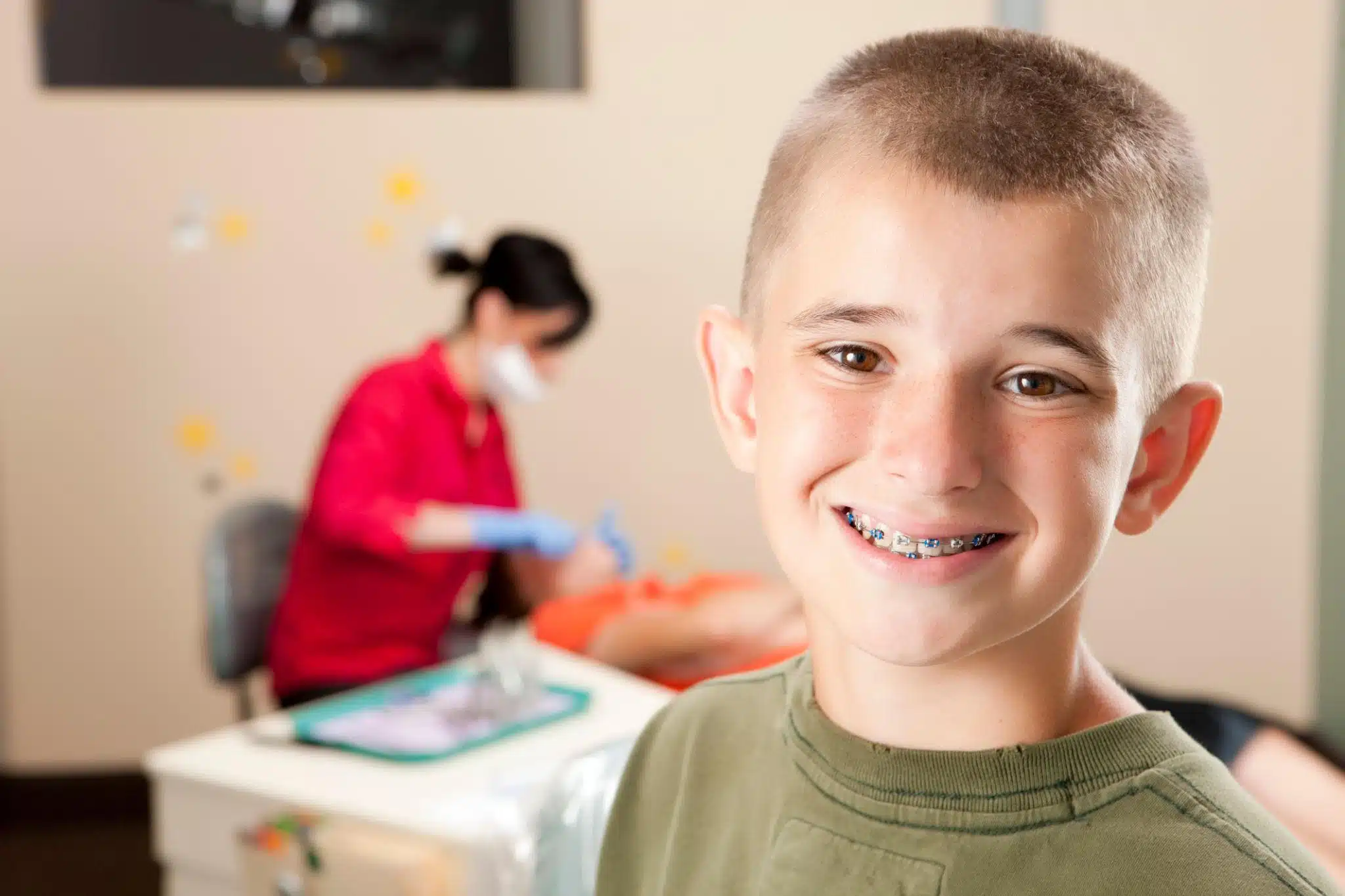
As children grow, their smiles change quickly. Baby teeth fall out, permanent teeth begin to emerge, and the jaws continue developing throughout childhood and adolescence.
For many parents in South Surrey, questions about orthodontic treatment often start when they notice crowded teeth, bite issues, or permanent teeth coming in unevenly. Others are unsure whether their child should see an orthodontist at all, especially if no obvious problems are present.
Understanding when to schedule an orthodontic evaluation, what signs to watch for, and how treatment decisions are made can help parents feel more confident about their child’s oral health.
Whether your child eventually needs braces, clear aligners, or simply routine monitoring, early orthodontic assessment plays an important role in supporting healthy dental development.
Why Orthodontic Care Is Important for Children
Many people associate orthodontics with straight teeth and improved appearance. While smile aesthetics are certainly one benefit, orthodontic treatment also focuses on how the teeth and jaws function together.
Proper alignment can help support:
- Healthy bite development
- Easier brushing and flossing
- Improved chewing function
- Reduced wear on teeth
- Better long-term oral health
Orthodontists evaluate both tooth alignment and jaw relationships to determine whether treatment may be beneficial.
Because children’s jaws are still growing, orthodontic concerns can often be identified and monitored before they become more complex.
When Should Children First Visit an Orthodontist?
One of the most common questions parents ask is:
“When should my child have their first orthodontic appointment?”
Many orthodontists recommend an evaluation around age seven.
At this stage, children typically have a mix of baby teeth and permanent teeth, allowing orthodontists to assess:
- Jaw growth patterns
- Tooth eruption
- Bite development
- Available space for permanent teeth
- Early signs of orthodontic concerns
An evaluation at age seven does not automatically mean braces are needed.
In fact, many children who visit an orthodontist in South Surrey at this age simply continue with periodic monitoring until treatment becomes appropriate.
Signs Your Child May Benefit From an Orthodontic Evaluation
Parents are often the first to notice changes in their child’s smile.
Consider scheduling an orthodontic consultation if you notice:
Crowded Teeth
Teeth that overlap or appear crowded may indicate limited space for permanent teeth.
Early or Late Loss of Baby Teeth
The timing of tooth loss can sometimes affect how permanent teeth emerge.
Difficulty Chewing
Bite concerns may make chewing less comfortable or efficient.
Mouth Breathing
Chronic mouth breathing can sometimes be associated with developing orthodontic concerns.
Thumb Sucking Beyond Early Childhood
Prolonged thumb sucking may influence tooth positioning and jaw development.
Crossbite
A crossbite occurs when some upper teeth fit inside the lower teeth when biting down.
Underbite or Excessive Overbite
Jaw alignment concerns may benefit from early monitoring during growth.
Even when concerns appear minor, an orthodontic evaluation can provide valuable information about future development.
Common Orthodontic Problems Seen in Children
Orthodontists regularly evaluate a variety of developmental concerns in growing patients.
Crowding
Crowding is one of the most common reasons children are referred for orthodontic evaluation.
Spacing Issues
Gaps between teeth may develop naturally, but excessive spacing can sometimes indicate underlying concerns.
Overbite
An excessive overlap of the upper front teeth over the lower front teeth.
Underbite
When lower teeth extend beyond upper teeth.
Crossbite
A mismatch between upper and lower tooth positioning.
Impacted Teeth
Permanent teeth occasionally become trapped beneath the gums and require monitoring or treatment.
Jaw Growth Concerns
Some children experience differences in upper or lower jaw development that may influence bite relationships.
Every child’s smile develops differently, which is why individualized assessment is important.
What Is Early Orthodontic Treatment?
Some children benefit from what is often called Phase One or interceptive orthodontic treatment.
This approach focuses on addressing specific developmental concerns while a child is still growing.
The goals may include:
- Guiding jaw development
- Improving bite relationships
- Creating space for permanent teeth
- Supporting healthy eruption patterns
- Reducing the severity of future orthodontic concerns
Depending on the situation, treatment may involve:
- Palatal expanders
- Space maintainers
- Limited braces
- Habit-correction appliances
- Growth-guidance appliances
Not every child requires early treatment. Many children simply benefit from observation and periodic checkups.
Why Early Evaluation Matters for South Surrey Families
South Surrey continues to grow rapidly, with many young families living in communities such as:
- Grandview Heights
- Morgan Creek
- Morgan Crossing
- Rosemary Heights
- Sunnyside
- Elgin Chantrell
As children become involved in school, sports, and extracurricular activities, families often appreciate having a clear understanding of their child’s orthodontic needs before scheduling becomes increasingly busy.
An early orthodontic evaluation can help parents understand:
- Whether treatment is currently needed
- Whether monitoring is recommended
- What future orthodontic care may involve
- The ideal timing for treatment if required
Having this information early allows families to make informed decisions and plan accordingly.
What Treatment Options Are Available for Children?
Orthodontic treatment recommendations depend on the child’s age, development, and specific concerns.
Traditional Metal Braces
Metal braces remain one of the most effective treatment options for correcting a wide range of orthodontic concerns.
They are commonly used for:
- Crowding
- Bite correction
- Tooth rotation
- Complex tooth movement
Clear Braces
Some older children and teenagers may be candidates for ceramic or clear braces that blend more naturally with the teeth.
Clear Aligners
Depending on age and treatment needs, certain patients may qualify for clear aligner therapy.
Growth Modification Appliances
Specialized appliances may sometimes be recommended to help guide jaw development during growth.
Your orthodontist will recommend treatment options based on your child’s individual needs.
What Happens During an Orthodontic Consultation?
Parents are often unsure what to expect during an initial orthodontic visit.
A consultation may include:
- Review of dental and medical history
- Clinical examination
- Digital imaging or photographs
- Evaluation of tooth alignment
- Assessment of bite relationships
- Discussion of treatment recommendations
The orthodontist will explain any concerns identified and discuss whether treatment or monitoring is recommended.
Parents are encouraged to ask questions and discuss goals for their child’s oral health.
Life After Braces: Why Retainers Matter
Orthodontic treatment does not end when braces are removed.
Teeth naturally tend to shift over time.
Retainers help maintain alignment and support long-term stability after treatment.
Depending on the individual case, orthodontists may recommend:
- Full-time retainer wear initially
- Nighttime wear later
- Long-term maintenance schedules
Consistent retainer use is an important part of preserving treatment results.
Frequently Asked Questions
Does every child need braces?
No. Some children may never require orthodontic treatment.
Why is age seven important?
At this age, orthodontists can evaluate growth and identify developing concerns before they become more complex.
Will my child get braces at the first appointment?
Usually not. Many young patients simply require monitoring.
What is Phase One treatment?
Phase One treatment addresses specific developmental concerns during childhood while growth is still occurring.
Are braces painful?
Children may experience temporary soreness after adjustments, but most adapt quickly.
Can orthodontic problems improve on their own?
Some developmental changes occur naturally. Others benefit from professional monitoring or treatment.
Helping Your Child Build a Healthy Smile
Orthodontic care is an important part of supporting your child’s oral health and development.
An early evaluation allows orthodontists to assess tooth eruption, jaw growth, and bite development while identifying concerns that may benefit from monitoring or treatment.
Even when braces are not immediately necessary, understanding your child’s orthodontic needs can provide valuable peace of mind and help guide future care decisions.
Schedule a Children’s Orthodontic Consultation at Dream Orthodontics
If you have questions about your child’s smile, bite development, or the right time for braces, Dream Orthodontics is here to help.
We proudly provide orthodontic care for children, teens, and families throughout South Surrey, White Rock, Sunnyside, Grandview Heights, Morgan Creek, and surrounding communities.
Call Dream Orthodontics at (604) 542-8552 to schedule an orthodontic consultation and learn more about your child’s treatment options.