
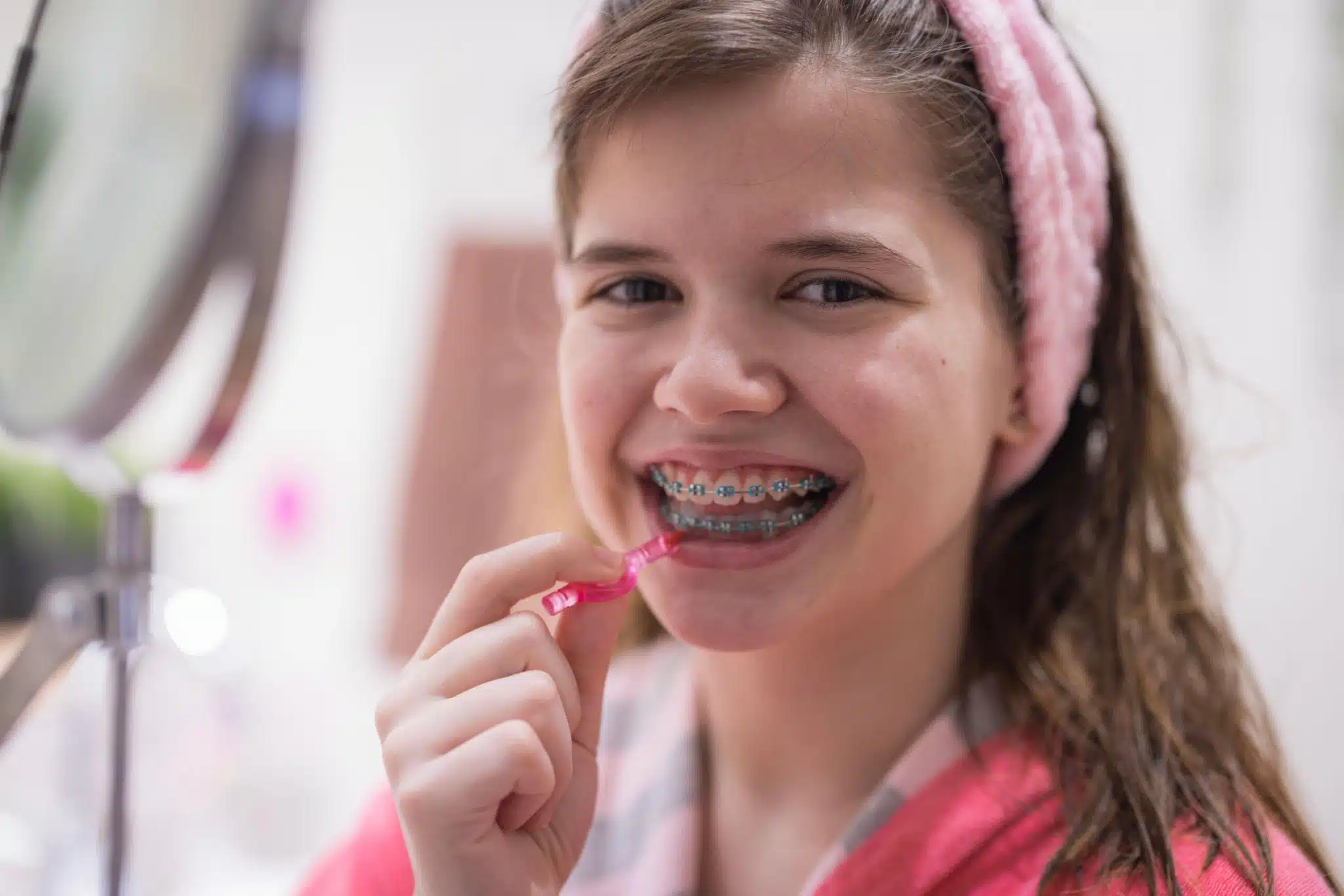
Getting braces is an exciting step toward improving your smile and bite alignment. While orthodontic treatment helps move teeth into healthier positions over time, it also requires extra attention to daily oral hygiene.
Brackets, wires, and other orthodontic appliances create additional areas where food particles and plaque can accumulate. Without proper care, this buildup can increase the risk of cavities, gum irritation, and staining around the brackets.
The good news is that maintaining good oral health while wearing braces is entirely manageable with the right habits and routines.
Whether you recently started orthodontic treatment or have been wearing braces for several months, understanding how to care for your teeth and gums can help support a healthier treatment experience and protect your smile throughout the process.
Why Oral Hygiene Matters More During Orthodontic Treatment
Braces create additional surfaces where plaque can collect.
Food particles may become trapped around:
- Brackets
- Wires
- Elastic bands
- Orthodontic appliances
When plaque remains on the teeth for extended periods, it can contribute to:
- Tooth decay
- Gum inflammation
- Bad breath
- White spot lesions
- Staining around brackets
Because braces stay attached to the teeth throughout treatment, maintaining a consistent oral hygiene routine becomes especially important.
Good oral care helps keep teeth and gums healthy while orthodontic treatment progresses.
What Happens If Oral Hygiene Is Neglected?
Many patients focus on straightening their teeth but overlook the importance of oral hygiene during treatment.
Poor oral care can lead to problems such as:
Cavities
Plaque bacteria produce acids that may damage tooth enamel.
Gum Irritation
Plaque buildup along the gumline can contribute to redness, swelling, and bleeding gums.
White Spot Lesions
These chalky white marks can develop around brackets when plaque remains on the teeth for extended periods.
Bad Breath
Food debris trapped around braces may contribute to unpleasant odors.
Extended Treatment Concerns
Significant oral health issues may require additional attention before orthodontic treatment can continue as planned.
Maintaining healthy teeth and gums helps support the overall success of orthodontic treatment.
How to Brush Your Teeth With Braces
Brushing becomes slightly more detailed when wearing braces.
Because brackets and wires create additional surfaces, it is important to clean thoroughly around every part of the appliance.
Brush After Meals Whenever Possible
Food particles can become trapped around braces throughout the day.
Brushing after meals helps remove debris before plaque has an opportunity to accumulate.
Use a Soft-Bristled Toothbrush
A soft-bristled toothbrush is generally recommended because it can clean effectively without causing unnecessary irritation.
Some patients also find electric toothbrushes helpful during orthodontic treatment.
Angle the Brush Correctly
When brushing with braces, clean:
- Above the brackets
- Around the brackets
- Below the brackets
- Along the gumline
- Chewing surfaces
Taking a few extra minutes to brush carefully can make a significant difference.
Brush for Two Minutes
Patients should aim to brush thoroughly rather than rushing through the process.
Many orthodontists recommend brushing for at least two minutes each time.
Why Flossing Still Matters
Flossing can feel more challenging with braces, but it remains one of the most important parts of oral hygiene.
Floss helps remove plaque and food particles from areas a toothbrush cannot easily reach.
Helpful Flossing Tools
Patients with braces often use:
- Floss threaders
- Orthodontic floss
- Water flossers
- Interdental brushes
These tools can make cleaning between teeth easier and more effective.
Daily flossing helps support healthy gums and reduces plaque accumulation throughout treatment.
Consider Additional Cleaning Tools
Many orthodontic patients benefit from using a few additional oral hygiene aids.
Interdental Brushes
These small brushes are designed to clean around brackets and wires.
Water Flossers
Water flossers use a stream of water to help remove debris from difficult-to-reach areas.
Fluoride Toothpaste
Fluoride helps strengthen enamel and reduce the risk of cavities.
Fluoride Mouth Rinse
Some patients may benefit from a fluoride rinse as part of their daily oral care routine.
Your orthodontist or dentist can recommend products appropriate for your individual needs.
Foods That Support Oral Health During Braces Treatment
Healthy food choices can help support both oral health and orthodontic treatment.
Good options include:
- Yogurt
- Cheese
- Eggs
- Fish
- Soft fruits
- Cooked vegetables
- Whole grains
- Lean proteins
These foods provide important nutrients while being gentle on braces.
A balanced diet also supports healthy gums and overall wellness.
Foods That May Damage Braces
Certain foods can increase the risk of broken brackets or bent wires.
Patients are often advised to limit or avoid:
- Hard candies
- Ice
- Popcorn kernels
- Sticky caramels
- Chewing gum
- Hard nuts
- Crunchy chips
Damaged appliances can sometimes lead to discomfort and treatment delays.
Following dietary recommendations helps protect orthodontic appliances throughout treatment.
Don’t Forget About Your Gums
Healthy gums play an important role in orthodontic treatment.
Signs of gum irritation may include:
- Redness
- Swelling
- Tenderness
- Bleeding during brushing or flossing
If plaque accumulates around the gumline, inflammation may develop.
Consistent brushing and flossing help support healthy gum tissue throughout treatment.
If symptoms persist, patients should contact their dental provider for guidance.
Staying Consistent at School, Work, and Activities
One of the biggest challenges during orthodontic treatment is maintaining oral hygiene away from home.
Simple preparation can help.
Many patients keep a small oral care kit that includes:
- Travel toothbrush
- Toothpaste
- Floss
- Orthodontic wax
- Small mirror if needed
This makes it easier to clean teeth after meals at school, work, or extracurricular activities.
Consistency often matters more than perfection.
How Regular Dental Visits Support Orthodontic Treatment
Orthodontic appointments focus on tooth movement and treatment progress.
Routine dental visits remain equally important.
Regular dental checkups allow providers to monitor:
- Cavities
- Gum health
- Plaque buildup
- Professional cleaning needs
Most patients should continue seeing their general dentist throughout orthodontic treatment unless otherwise advised.
Orthodontic care and preventive dental care work together to support long-term oral health.
Common Oral Hygiene Mistakes to Avoid
Many braces patients unintentionally develop habits that make cleaning more difficult.
Common mistakes include:
Rushing Through Brushing
Braces require additional attention and time.
Skipping Flossing
Even occasional flossing is better than avoiding it altogether.
Drinking Sugary Beverages Frequently
Sugar can contribute to plaque buildup and tooth decay.
Ignoring Gum Irritation
Persistent gum concerns should be evaluated.
Waiting Too Long After Meals
Removing food particles sooner helps reduce plaque accumulation.
Small improvements in daily habits can make a meaningful difference over the course of treatment.
Building a Daily Braces Care Routine
A simple routine can help make oral hygiene easier to maintain.
Morning
- Brush thoroughly
- Clean around brackets and wires
- Floss if possible
After Meals
- Rinse with water
- Brush when available
- Check for trapped food particles
Evening
- Brush carefully
- Floss thoroughly
- Use additional cleaning aids if recommended
Having a consistent routine helps support healthy habits throughout treatment.
Frequently Asked Questions
How often should I brush my teeth with braces?
Patients are often encouraged to brush after meals and before bed to help remove food particles and plaque.
Is flossing necessary with braces?
Yes. Flossing helps clean areas between teeth that a toothbrush cannot easily reach.
Can I use an electric toothbrush with braces?
Many patients successfully use electric toothbrushes during orthodontic treatment.
What causes white spots around braces?
White spot lesions may develop when plaque remains on the teeth for extended periods and enamel begins to lose minerals.
Are water flossers helpful?
Many patients find water flossers useful for cleaning around brackets and wires.
Should I still visit my dentist while wearing braces?
Yes. Regular dental checkups and cleanings remain important throughout orthodontic treatment.
Protecting Your Smile Throughout Orthodontic Treatment
Braces are designed to improve tooth alignment and bite function, but maintaining good oral hygiene is an essential part of achieving a healthy result.
By brushing carefully, flossing consistently, making thoughtful food choices, and attending regular dental visits, patients can help protect their teeth and gums throughout treatment.
The habits developed during orthodontic care often continue benefiting oral health long after braces are removed.
Questions About Braces or Orthodontic Treatment?
Dream Orthodontics is committed to helping patients maintain healthy smiles throughout every stage of orthodontic care.
If you have questions about braces, oral hygiene, or orthodontic treatment options, our team is here to help.
Call Dream Orthodontics at (604) 542-8552 to schedule a consultation or learn more about your orthodontic care options.