
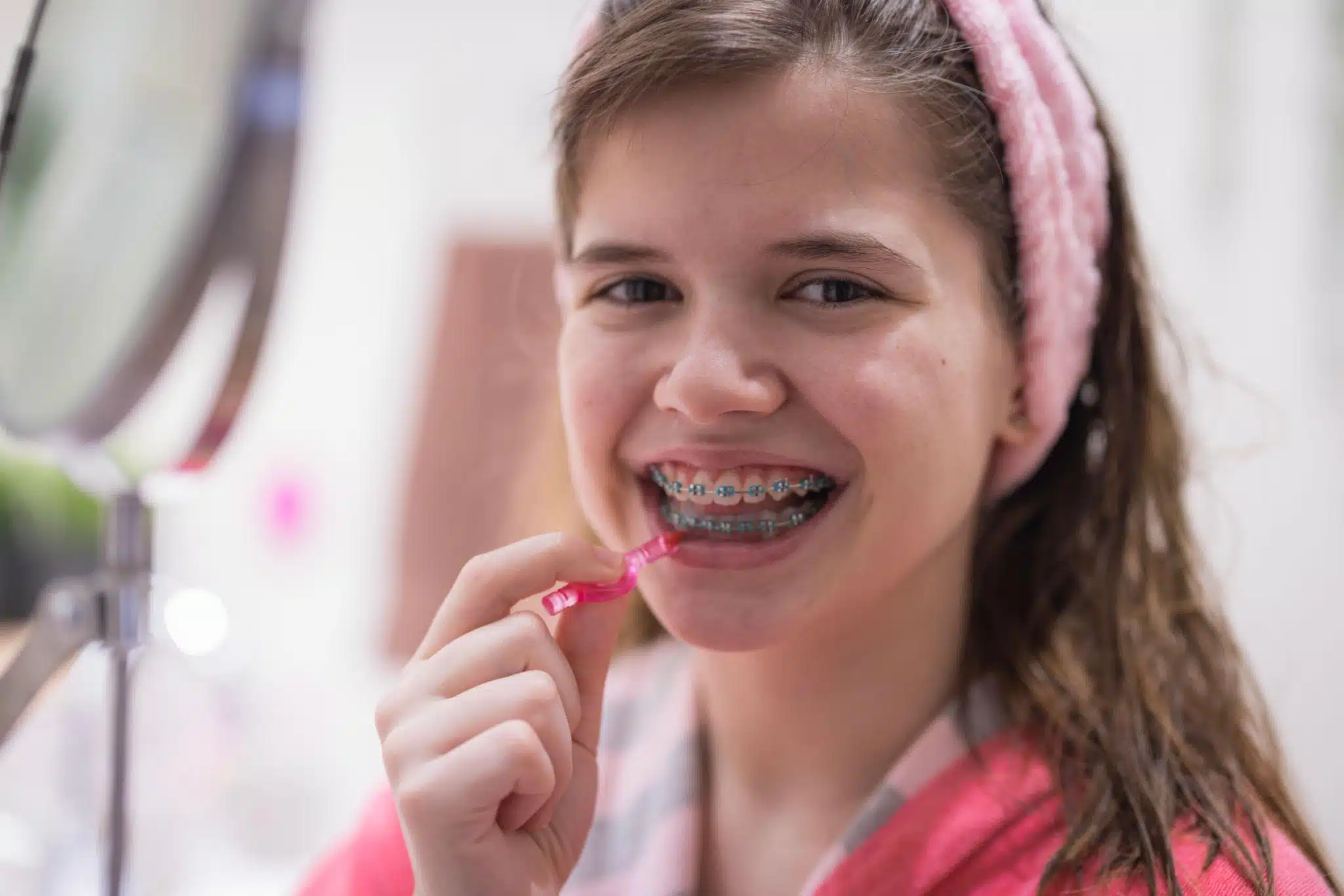
Going back to school means returning to classes, homework, sports, extracurricular activities, and time with friends. For students wearing braces, it is also a good time to establish simple habits that make orthodontic care easier throughout the school year.
School days can make braces care a little more challenging. Students may eat lunch away from home, spend several hours without access to their usual toothbrush and dental supplies, participate in sports, or simply get caught up in a busy schedule.
Fortunately, caring for braces at school does not have to be complicated. With some preparation, thoughtful food choices, and a consistent oral hygiene routine, students can protect their braces and maintain a healthy smile throughout the school year.
Why Back-to-School Braces Care Matters
Brackets and wires create additional areas where food particles and plaque can collect. Without careful cleaning, plaque buildup can contribute to tooth decay, gum irritation, and white marks on teeth.
This makes daily braces care especially important.
Common school-day challenges include:
- Eating lunch away from home
- Forgetting to clean teeth after meals
- Choosing foods that may damage braces
- Participating in sports
- Managing a loose bracket or wire
- Keeping up with orthodontic appointments
- Adjusting to braces after summer break
Preparing for these situations before school starts can make the transition much easier.
Start the School Day With a Clean Smile
A good braces care routine begins at home.
Before leaving for school, students should brush thoroughly with fluoride toothpaste. Take time to clean around each bracket, along the gumline, and around the wires.
A simple morning routine should include:
- Brushing thoroughly
- Cleaning around brackets and wires
- Flossing or using the recommended interdental cleaning tool
- Checking for visible food or plaque
- Drinking water before leaving
Health Canada recommends brushing at least twice a day with fluoride toothpaste and flossing daily as part of maintaining good oral health.
Starting the day with clean teeth makes it easier to maintain good oral hygiene even when the school schedule becomes busy.
Pack a Braces Care Kit
One of the easiest ways to make braces care at school more manageable is to keep a small oral-care kit in a backpack, locker, or sports bag.
Consider including:
- Travel toothbrush
- Fluoride toothpaste
- Dental floss or floss threaders
- Interdental brush
- Small mirror
- Orthodontic wax
- Extra elastics, if prescribed
A small kit can be especially useful after lunch or when food becomes trapped around brackets.
Keeping these supplies together also makes it easier for students to develop an independent braces-care routine.
Choose Braces-Friendly School Lunches
Lunch is an important part of maintaining good oral health with braces.
Students can continue to enjoy a varied diet, but some foods should be avoided because they may damage brackets and wires.
Braces-friendly choices can include:
- Soft sandwiches cut into manageable pieces
- Pasta
- Rice dishes
- Yogurt
- Soft fruit
- Cooked vegetables
- Eggs
- Tender chicken
- Soft cheese
Firmer foods can sometimes be modified rather than completely avoided. For example, apples can be sliced into smaller pieces instead of being bitten into directly.
Foods to Avoid With Braces
Some foods commonly found in school lunches and snacks can be hard on orthodontic appliances.
Students should generally avoid:
- Hard candy
- Sticky candy
- Caramel
- Taffy
- Chewing gum
- Popcorn
- Hard nuts
- Ice
- Very crunchy snacks
- Hard pretzels
Hard, sticky, crunchy, and chewy foods can loosen brackets or damage wires.
It is also important to avoid chewing on non-food items such as pens, pencils, or fingernails. These habits can place unnecessary pressure on braces.
What If You Cannot Brush After Lunch?
Ideally, students should clean their teeth after meals whenever possible. However, school schedules and facilities do not always make brushing convenient.
If brushing is not possible after lunch:
- Rinse your mouth thoroughly with water.
- Check for food around brackets and wires.
- Remove visible food when appropriate using a recommended cleaning aid.
- Brush your teeth as soon as you have an opportunity.
Rinsing with water can help remove some food particles until proper brushing is possible.
Students should still return to their normal brushing and flossing routine later in the day.
Stay Hydrated During the School Day
Water is a simple choice for students wearing braces.
Canada’s Food Guide recommends making water the beverage of choice. Keeping a reusable water bottle in a backpack can make it easier for students to stay hydrated throughout classes, sports, and after-school activities.
Water can also help rinse away food particles after meals.
Students should be mindful of frequent consumption of soft drinks, sports drinks, energy drinks, and other sweetened beverages. Regular exposure to sugary drinks can contribute to concerns about tooth decay.
Choosing water more often is a simple habit that supports both hydration and oral health.
Caring for Braces During Sports
A new school year often means returning to physical education, sports teams, and extracurricular activities.
Students participating in contact or collision sports should ask their orthodontic team about an appropriate mouthguard for use with braces.
A properly fitted mouthguard can help protect the teeth, braces, lips, and cheeks during physical activity.
Students should also follow the safety requirements for their particular sport.
If an injury occurs involving the mouth, teeth, or orthodontic appliances, contact an appropriate dental or orthodontic professional for advice.
What to Do if a Bracket or Wire Becomes Loose
A loose bracket or wire can be uncomfortable, but it does not always mean that the situation is an emergency.
If an orthodontic appliance becomes loose or damaged:
- Avoid pulling or bending it.
- Do not attempt to repair it yourself.
- Use orthodontic wax if a sharp area is irritating your cheek or lip.
- Tell a parent or guardian if you are a younger student.
- Contact the orthodontic office for guidance.
If a wire is causing significant discomfort or there has been an injury to the teeth or mouth, seek professional advice promptly.
Getting Comfortable With Braces at School
For students who are new to braces, returning to school may bring some understandable concerns.
They may wonder:
- Will other students notice my braces?
- Can I eat lunch normally?
- What if food gets stuck?
- What if I have a problem during school?
- Can I participate in sports?
These concerns often become easier once a daily routine is established.
Parents can help by listening to their child’s concerns, making sure they have the supplies they need, and encouraging them to take increasing responsibility for their own oral hygiene.
Create a Simple School-Day Braces Routine
A predictable routine can make orthodontic care easier.
Before School
- Brush thoroughly with fluoride toothpaste.
- Floss or use the recommended interdental cleaning method.
- Check around brackets and wires.
- Pack your braces care kit.
- Fill your water bottle.
During School
- Choose braces-friendly foods.
- Drink water regularly.
- Rinse after meals if brushing is not possible.
- Check for food around brackets.
- Avoid chewing hard objects.
After School
If possible, brush after snacks or meals.
Students participating in sports should also make sure they have the appropriate protective equipment.
Before Bed
Return to a thorough evening routine:
- Brush carefully around every bracket.
- Clean between the teeth.
- Follow any additional instructions from your orthodontic team.
- Check for damaged or loose components.
Keep Up With Orthodontic and Dental Appointments
A busy school schedule can make it tempting to postpone appointments, particularly when they conflict with classes, sports, or activities.
Regular orthodontic appointments allow the orthodontic team to monitor tooth movement, check braces and wires, make necessary adjustments, and address concerns.
Regular dental care is also important during orthodontic treatment. Orthodontic appointments do not replace routine dental examinations and preventive care.
Planning appointments around the school calendar can make it easier to stay consistent with both types of care.
Tips for Parents
Parents can make back-to-school braces care easier without taking complete responsibility away from their teen.
Keep Supplies Available
Have replacement toothbrushes, fluoride toothpaste, floss, and orthodontic wax available at home.
Plan Lunches Together
Choose nutritious foods that are less likely to damage braces.
Set Appointment Reminders
Calendar reminders can help students remember orthodontic appointments and other treatment instructions.
Encourage Independence
As teens become more comfortable with braces, encourage them to take responsibility for brushing, flossing, food choices, and carrying their braces-care supplies.
The goal is to help these habits become part of their normal routine.
Frequently Asked Questions
What should I keep in my school braces care kit?
A travel toothbrush, fluoride toothpaste, floss or floss threaders, an interdental brush, small mirror, and orthodontic wax can be useful.
What can I eat for lunch with braces?
Soft sandwiches, pasta, rice, yogurt, soft fruit, cooked vegetables, eggs, and tender proteins can be suitable options. Avoid foods that are hard, sticky, crunchy, or chewy.
What if I cannot brush at school?
Rinse thoroughly with water after eating and brush as soon as you can. Keeping a small oral-care kit in your backpack can make brushing easier when facilities are available.
Can I play sports with braces?
Students can generally participate in sports while undergoing orthodontic treatment. For contact sports, ask your orthodontic team about an appropriate mouthguard.
What should I do if my bracket breaks?
Avoid touching or repairing it yourself. If it irritates your cheek, orthodontic wax may provide temporary relief. Contact your orthodontic office for guidance.
Should I avoid sugary drinks at school?
Water is the preferred everyday beverage. Limiting frequent sugary and acidic drinks can help support oral health during orthodontic treatment.
Start the School Year With a Healthy Smile
Going back to school with braces does not have to mean adding complicated tasks to an already busy schedule.
A few simple habits can make a difference: keep a braces-care kit nearby, choose foods carefully, drink water, clean your teeth consistently, protect your braces during sports, and stay on top of orthodontic and dental appointments.
The key is consistency. Once these habits become part of the school routine, braces care can feel much less like an extra responsibility and more like an ordinary part of the day.
With a little preparation, students can focus on classes, friends, sports, and everything else that makes a new school year exciting while continuing to care for their teeth and braces.
Questions About Back-to-School Braces Care?
If you or your teen has questions about caring for braces during the school year, professional guidance can help you understand the appropriate routine for your individual treatment.
To discuss braces care or schedule an appointment, call (604) 542-8552.