
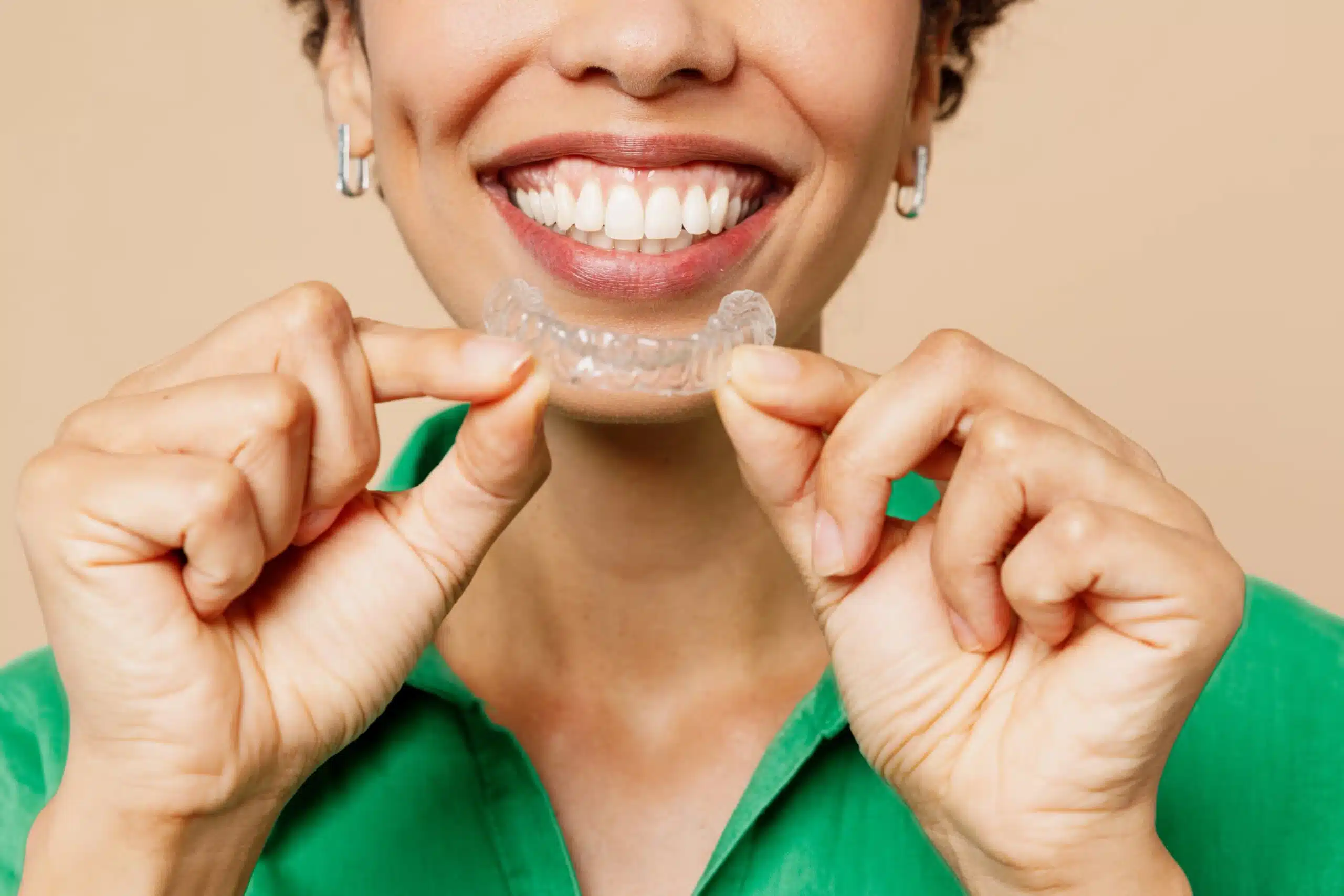
Many people exploring orthodontic care today are interested in treatment options that improve alignment without traditional brackets and wires. Clear aligner systems such as Invisalign are designed to gradually straighten teeth using a series of transparent trays that fit over the teeth.
Invisalign is an orthodontic system that uses a sequence of custom-made clear aligner trays to move teeth into improved alignment. Each aligner is slightly different from the one before it, applying controlled pressure to guide teeth step by step into new positions.
Although the trays may appear simple, the science behind them involves careful treatment planning, digital imaging, and an understanding of how teeth move within the jaw. Orthodontists use these tools to guide tooth movement in a gradual and controlled way.
Understanding the biological and technological principles behind clear aligners can help patients make more informed decisions when considering orthodontic treatment.
Understanding Tooth Movement in Orthodontics
To understand how clear aligners work, it helps to look at how teeth move during orthodontic treatment.
Teeth are anchored in the jawbone by a structure called the periodontal ligament. This thin layer of connective tissue surrounds the root of each tooth and acts like a small cushion between the tooth and the bone.
When steady pressure is applied to a tooth over time, the surrounding bone gradually adapts. On one side of the tooth, bone tissue breaks down. On the opposite side, new bone forms.
This process is called bone remodeling, and it allows orthodontists to guide teeth into better positions.
Both braces and clear aligners rely on this same biological process. The difference lies in how the orthodontic forces are delivered to the teeth.
What Makes Invisalign Different from Traditional Braces
Traditional braces use brackets attached to each tooth and wires that connect them. Orthodontists periodically adjust the wires to change the direction and strength of the force applied to the teeth.
Clear aligners take a different approach. Instead of wires and brackets, Invisalign uses a series of removable aligner trays that fit closely over the teeth.
Each aligner is designed with small differences from the previous one. As the patient moves through the sequence of aligners, the teeth gradually shift into their new positions.
Because the trays are transparent and removable, many patients find clear aligners easier to integrate into daily routines such as eating, brushing, and flossing.
The Digital Technology Behind Invisalign
Orthodontists use detailed scans or impressions of the teeth to plan clear aligner treatment.
The process usually begins with a digital scan of the teeth and bite. Many orthodontic practices now use handheld scanners to capture detailed three-dimensional images of the mouth.
These digital models allow orthodontists to analyze:
- tooth position
- spacing and crowding
- bite alignment
- jaw relationships
Using specialized orthodontic software, the orthodontist develops a digital treatment plan. This plan maps out how each tooth should move throughout treatment.
The software then generates a series of aligners designed to guide the teeth through each stage of movement.
This digital planning helps orthodontists create a precise sequence of aligners tailored to each patient.
Types of Tooth Movements Clear Aligners Can Guide
Clear aligners can guide teeth through several different types of orthodontic movements.
Tilting
A tooth gradually leans in a new direction while the root remains relatively stable.
Rotation
Teeth that have turned or twisted can be rotated back into proper alignment.
Bodily movement
Both the crown and root of the tooth move together through the bone.
Intrusion and extrusion
Some teeth may move slightly upward or downward to improve the bite.
Orthodontists plan these movements digitally so each aligner helps guide a small portion of the overall adjustment.
How Clear Aligners Apply Controlled Force
Each aligner tray is carefully designed to fit snugly over the teeth while applying pressure to specific areas.
The aligner material is flexible enough to place gentle pressure on the teeth. When a new aligner is worn, it may feel slightly tight at first. This sensation often indicates that the aligner is applying force to move the teeth.
Over several days, the teeth gradually shift until they match the shape of the aligner. At that point, the patient moves to the next aligner in the sequence.
This step-by-step progression continues throughout treatment, guiding teeth toward their planned positions.
The Role of Attachments in Invisalign Treatment
Some orthodontic movements require additional support. In these cases, orthodontists may place small tooth-colored shapes on certain teeth called attachments.
Attachments help aligners grip the teeth more effectively and apply precise forces.
They may assist with movements such as:
- rotating teeth
- moving teeth vertically
- correcting more complex alignment concerns
Although attachments may be noticeable up close, they are designed to blend with the natural tooth color.
Why Consistent Aligner Wear Matters
Clear aligners must be worn consistently in order to move teeth effectively.
Orthodontists usually recommend wearing aligners 20 to 22 hours per day. This allows the aligners to maintain the steady pressure needed for gradual tooth movement.
Aligners are typically removed for:
- meals
- brushing
- flossing
Because they are removable, patients can maintain their usual oral hygiene routines and avoid dietary restrictions that sometimes accompany braces.
If aligners are not worn consistently, tooth movement may slow down or the treatment plan may require adjustments.
Who May Benefit From Clear Aligner Treatment
Clear aligners are commonly used to treat a variety of orthodontic concerns.
These may include:
- mild to moderate crowding
- spacing between teeth
- minor bite alignment concerns
- teeth that have shifted after previous orthodontic treatment
Clear aligners may not be suitable for every orthodontic situation. Some complex bite concerns may require other orthodontic approaches.
An orthodontic evaluation helps determine which treatment options are appropriate for each patient.
What Patients Can Expect During Invisalign Treatment
Although every treatment plan is unique, Invisalign treatment generally follows several steps.
-
Initial orthodontic evaluation
The orthodontist examines the teeth, bite, and overall oral health.
-
Digital scanning and treatment planning
Three-dimensional scans are used to design a customized treatment plan.
-
Receiving the aligners
Patients receive a series of aligners and change them according to the recommended schedule.
-
Progress appointments
Periodic visits allow the orthodontist to monitor tooth movement and ensure treatment stays on track.
-
Retention phase
Once the teeth reach their new positions, retainers help maintain the alignment.
These stages allow orthodontists to guide tooth movement gradually and predictably.
Benefits of Modern Clear Aligner Technology
Clear aligner systems have advanced significantly as orthodontic technology has improved.
Many patients appreciate features such as:
Discreet appearance
Transparent aligners are designed to be less noticeable than traditional braces.
Custom fit
Each aligner is created specifically for the patient’s teeth using digital scans.
Removable design
Aligners can be removed for eating and oral hygiene.
Gradual movement
A sequence of aligners allows orthodontists to guide teeth through carefully planned stages.
These advancements have made clear aligners a widely used option for orthodontic treatment.
Orthodontic Treatment for Teens and Adults
Orthodontic care can benefit patients at many stages of life.
Teenagers often receive orthodontic treatment while their permanent teeth are developing. Early alignment can help support healthy bite function and improve oral hygiene.
Adults also pursue orthodontic treatment for a variety of reasons. Some patients want to correct crowding or spacing, while others seek improvements in bite alignment.
Clear aligners can provide an option for patients who prefer a removable and discreet orthodontic appliance.
Understanding the Science of Invisalign Treatment
Clear aligners combine orthodontic biology with digital technology to guide teeth into improved alignment.
Through a carefully planned sequence of aligner trays, gentle pressure is applied to the teeth, encouraging gradual movement through natural bone remodeling. Digital scans, treatment planning software, and customized aligners allow orthodontists to design treatment that addresses each patient’s unique orthodontic needs.
For individuals researching orthodontic options, learning how clear aligners work can provide helpful insight into how modern orthodontic treatment improves tooth alignment and bite function.
Frequently Asked Questions
How does Invisalign move teeth?
Invisalign uses a sequence of custom aligners that apply gentle pressure to specific teeth. Each aligner moves the teeth slightly until they reach the next stage of alignment.
Are clear aligners as effective as braces?
Both braces and aligners rely on the same biological process of tooth movement. The best option depends on the type and complexity of the orthodontic concern.
How long does Invisalign treatment take?
Treatment length varies depending on the amount of tooth movement required. Some cases take around a year, while others may take longer.
Do aligners need to be worn all day?
Most orthodontists recommend wearing aligners about 20–22 hours per day for effective treatment.
Do patients need retainers after Invisalign?
Yes. Retainers help maintain the new position of the teeth after orthodontic treatment is completed.
Curious How Invisalign Can Work for Your Smile
Understanding the science behind clear aligners is the first step. The next step is seeing how that technology applies to your own teeth. A personalized consultation allows an orthodontist to evaluate your alignment, explain your treatment plan, and show how Invisalign can gradually guide your smile into place.
If you have questions about caring for your braces during summer or while traveling, consider scheduling a consultation with an orthodontic provider by calling (604) 542-8552 to discuss your treatment and oral health needs.